(
(
Knowledge
Knowledge
)
)
Spring bars
Spring bars
Small part...but a big impact
Small part...but a big impact
by
The Founder
3
min read
The Hidden Foundation of Reliability
Every watch depends on a few critical components most people never see. Spring bars are one of those tiny steel rods that secure the strap to the case. They might seem insignificant, but their failure means the difference between a watch that endures and one that’s lost to gravity. In the Vanitas, we’ve designed around this vulnerability.
Types of Spring Bars
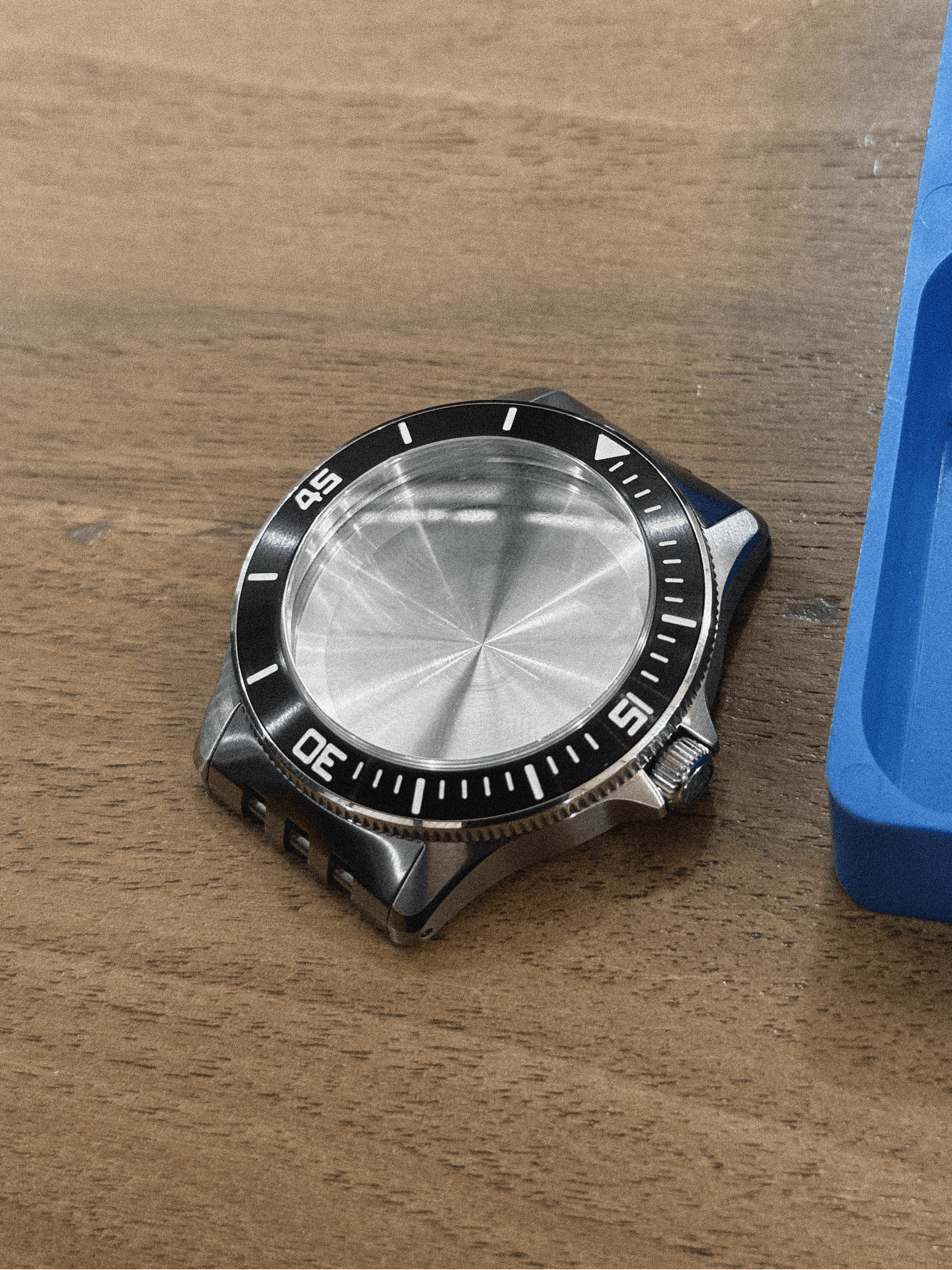
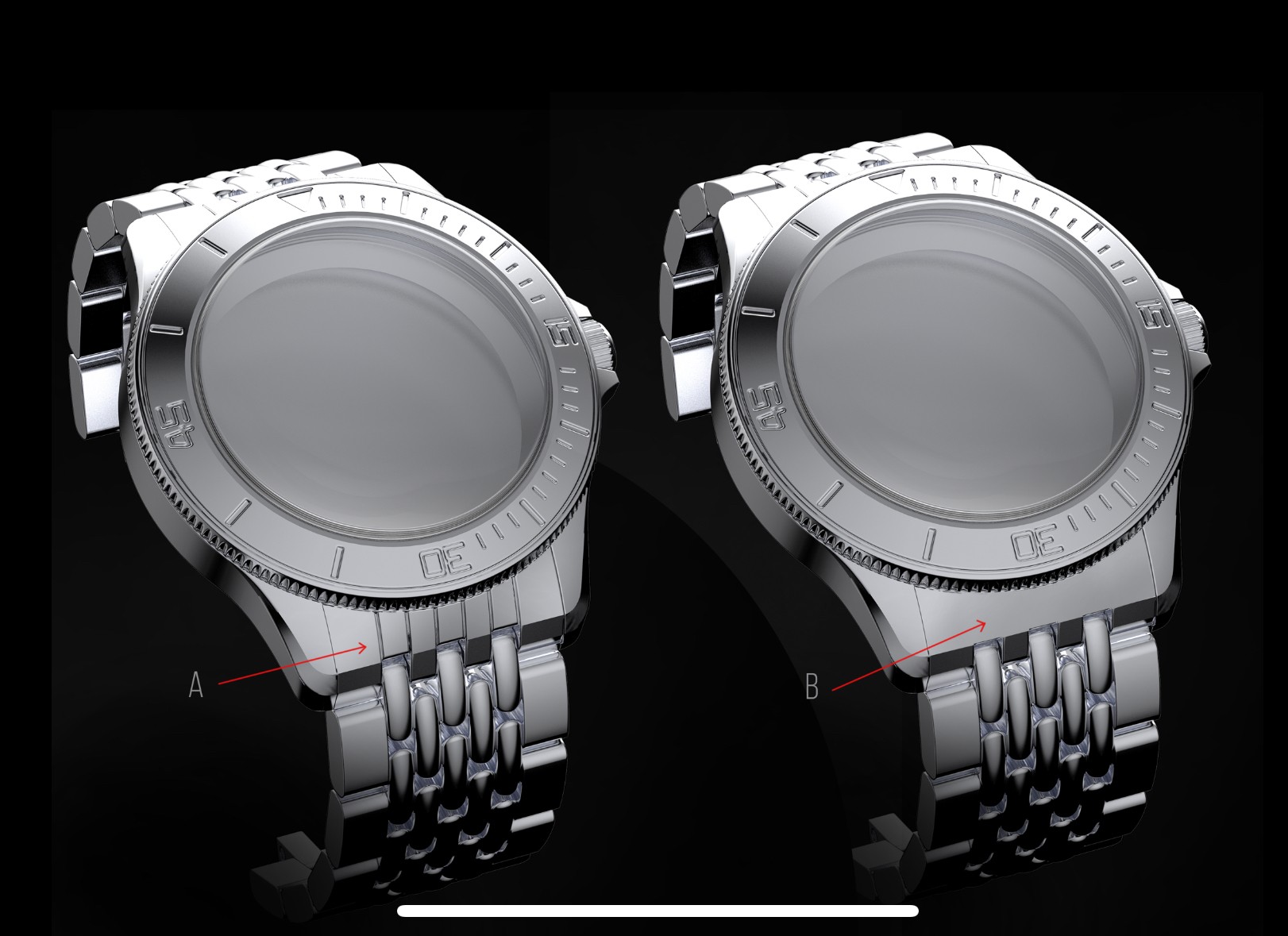
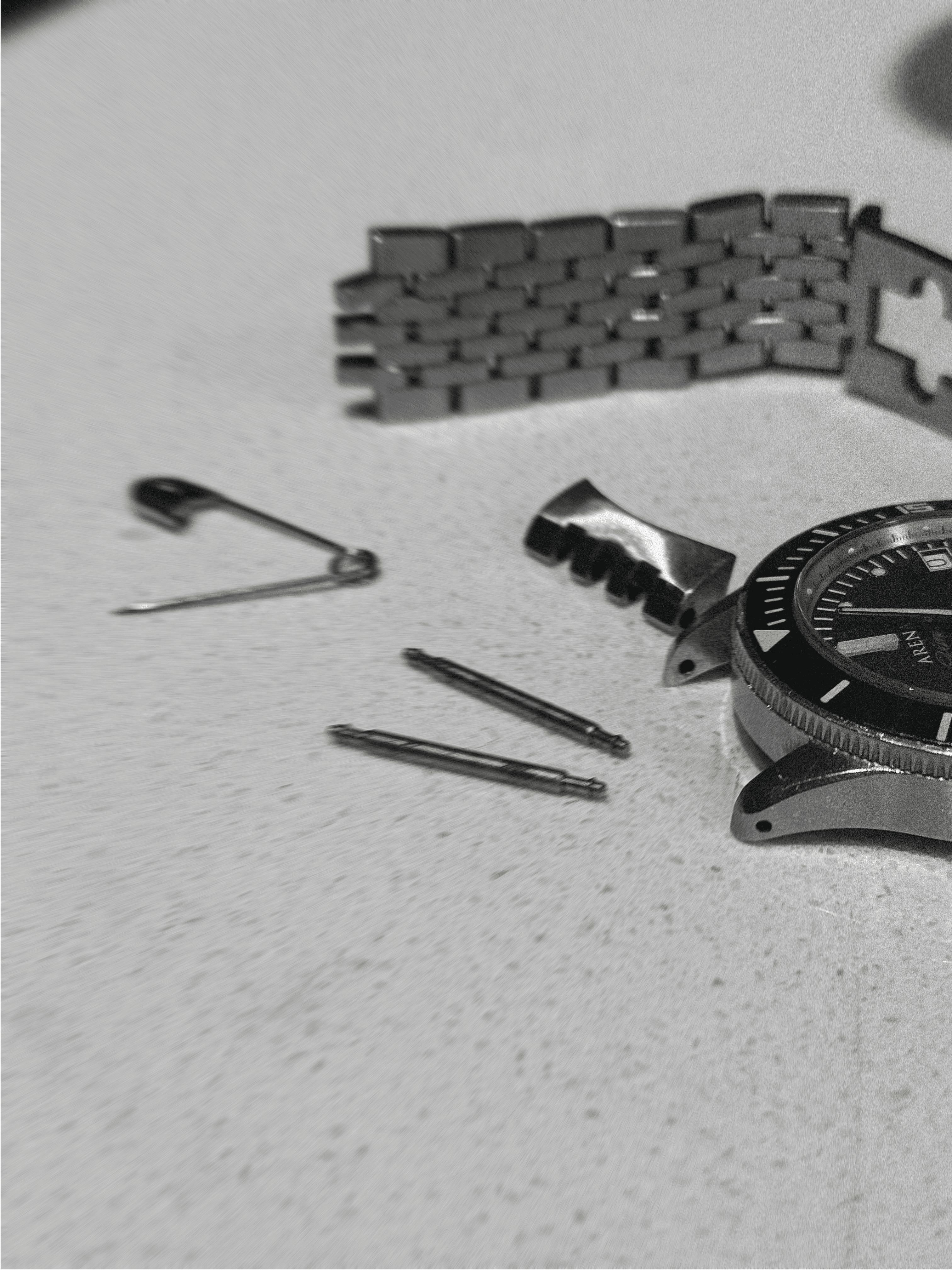
There are several common spring bar designs, but not all are created equal. Double-flange spring bars — the kind used in most commercial watches — are cheap, thin, and easy to remove. They’re also the most prone to failure. The small inner flanges that hold tension can deform or slip under stress, especially with heavy watches or during physical movement. In contrast, single-flange spring bars feature solid end shoulders and a stronger internal spring, reducing the chance of bending or ejection. The Vanitas’ drilled-through lugs allow direct, controlled removal of these stronger bars using a precision tool — no pressure on the lugs, no accidental damage to the case.
Why We Use Drilled Lugs and Single-Flange Bars
A drilled-through lug isn’t just a design detail; it’s a functional improvement. It allows full control when replacing or inspecting spring bars, minimizing the risk of slipping tools or gouged metal. Combined with single-flange construction, it creates a more secure connection between strap and case, critical for a watch meant to endure shock, vibration, and immersion. This setup is chosen by professionals and field operators who value security over convenience. Every Vanitas leaves the workshop with precision-fit spring bars designed to match the tolerances of the case, because reliability starts at the smallest interface.
Avoiding Common Failures
Bent, off-brand, or cheap aftermarket spring bars are the leading cause of watch loss and strap failure. Inferior materials, weak internal springs, and inconsistent machining create hidden weaknesses that show up only under stress, when it’s too late. A spring bar might cost a few dollars, but the watch it secures is worth much more. Regularly inspect your bars for corrosion, bending, or play within the lugs, and replace them with genuine, hardened stainless steel components when needed. In the world of mechanical precision, every connection matters. Treat even the smallest part with the same respect you give the movement itself.
The Hidden Foundation of Reliability
Every watch depends on a few critical components most people never see. Spring bars are one of those tiny steel rods that secure the strap to the case. They might seem insignificant, but their failure means the difference between a watch that endures and one that’s lost to gravity. In the Vanitas, we’ve designed around this vulnerability.
Types of Spring Bars
There are several common spring bar designs, but not all are created equal. Double-flange spring bars — the kind used in most commercial watches — are cheap, thin, and easy to remove. They’re also the most prone to failure. The small inner flanges that hold tension can deform or slip under stress, especially with heavy watches or during physical movement. In contrast, single-flange spring bars feature solid end shoulders and a stronger internal spring, reducing the chance of bending or ejection. The Vanitas’ drilled-through lugs allow direct, controlled removal of these stronger bars using a precision tool — no pressure on the lugs, no accidental damage to the case.
Why We Use Drilled Lugs and Single-Flange Bars
A drilled-through lug isn’t just a design detail; it’s a functional improvement. It allows full control when replacing or inspecting spring bars, minimizing the risk of slipping tools or gouged metal. Combined with single-flange construction, it creates a more secure connection between strap and case, critical for a watch meant to endure shock, vibration, and immersion. This setup is chosen by professionals and field operators who value security over convenience. Every Vanitas leaves the workshop with precision-fit spring bars designed to match the tolerances of the case, because reliability starts at the smallest interface.
Avoiding Common Failures
Bent, off-brand, or cheap aftermarket spring bars are the leading cause of watch loss and strap failure. Inferior materials, weak internal springs, and inconsistent machining create hidden weaknesses that show up only under stress, when it’s too late. A spring bar might cost a few dollars, but the watch it secures is worth much more. Regularly inspect your bars for corrosion, bending, or play within the lugs, and replace them with genuine, hardened stainless steel components when needed. In the world of mechanical precision, every connection matters. Treat even the smallest part with the same respect you give the movement itself.