(
(
Knowledge
Knowledge
)
)
Understanding Magnetism
Understanding Magnetism
Long story short...don't put your watch on shit that is magnetized
Long story short...don't put your watch on shit that is magnetized
by
The founder
3
min read
The Invisible Force That Affects Time
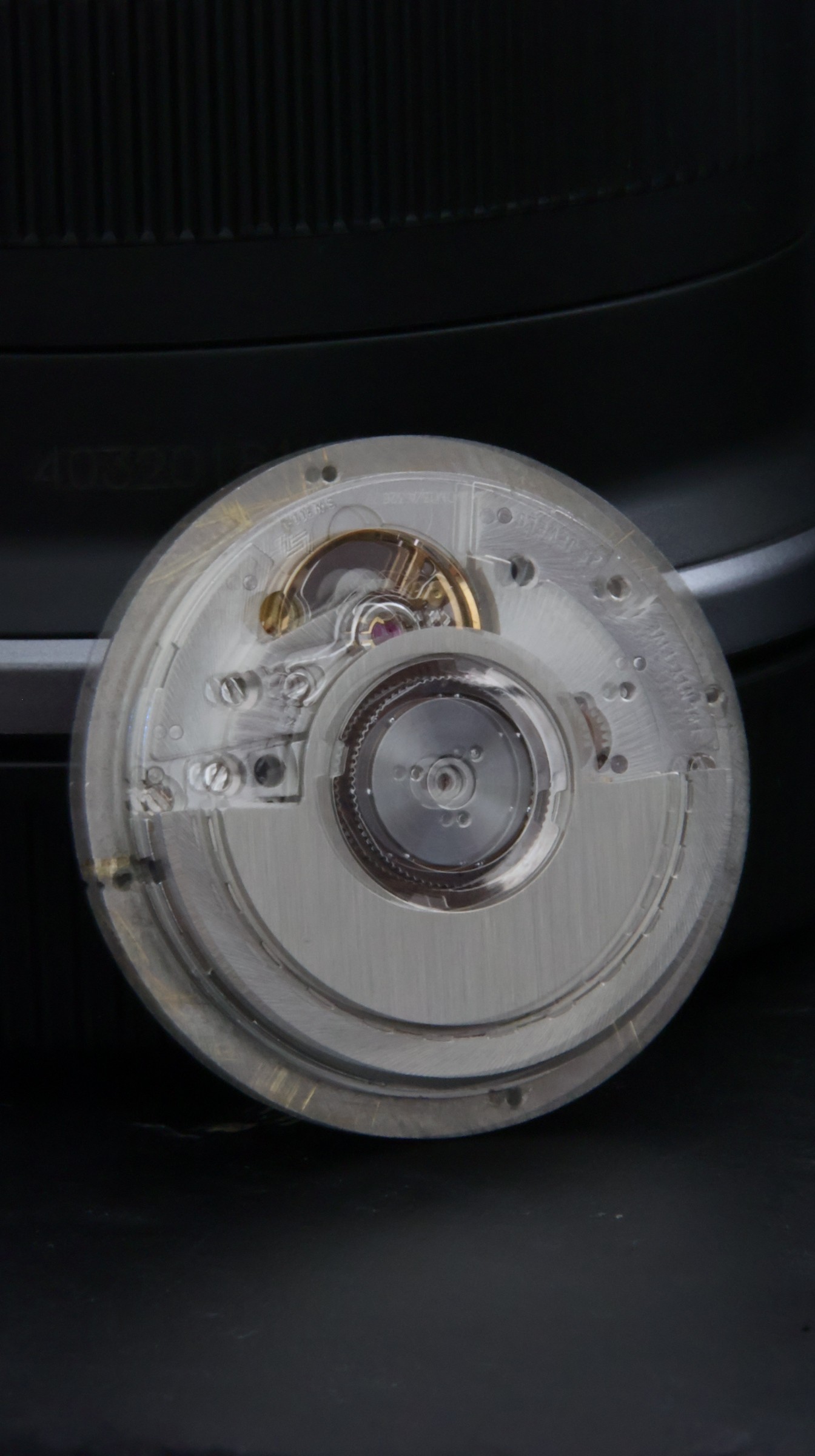
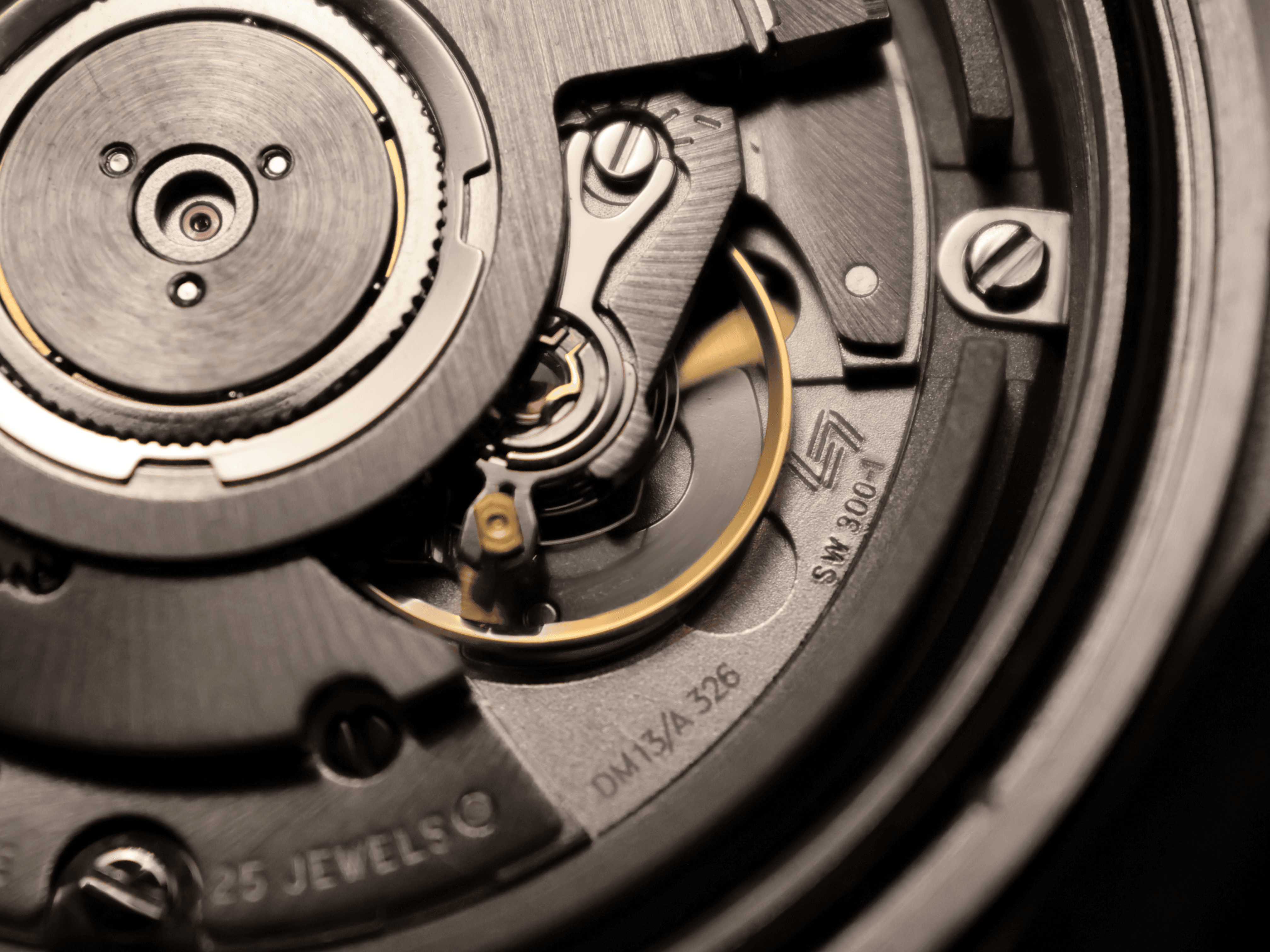
Magnetism is everywhere, in phones, speakers, laptops, and even the magnetic clasps on bags and wallets. While invisible, it’s one of the few environmental forces that can influence a mechanical watch. The Sellita SW300-1 inside the Vanitas operates through a network of finely machined steel components, including the hairspring, a coil thinner than a human hair that regulates every oscillation of the balance wheel. When that spring becomes magnetized, its coils can stick together, shortening the swing of the balance and throwing off the watch’s rhythm. The result: the watch begins to run fast, sometimes by minutes a day.
Common Sources of Magnetism
Modern life surrounds us with low-level magnetic fields. Most are harmless, but repeated or close exposure can still magnetize a mechanical movement. Common examples include:
Phone chargers and wireless charging pads use inductive coils that generate magnetic fields.
Laptop speakers and keyboards contain small but concentrated magnets near the surface.
Tablet and phone cases with magnetic closures.
Headphones and portable speakers.
Wallets or bags with magnetic button snaps.
Appliance motors, such as refrigerator doors, vacuum cleaners, or tools.
Airport security trays and metal detectors (occasional, brief exposure).
These fields are rarely strong enough to cause any harm, but close, prolonged contact (such as resting your watch on a wireless charger overnight) can magnetize the movement.
Myths and Misconceptions
Many assume magnetism permanently damages a watch. It doesn’t. Magnetized parts aren’t broken; they’re just influenced. A quick session with a demagnetizer, a small tool used by any watchmaker removes the effect in seconds. Another misconception is that casual electronics use will always magnetize your watch. In reality, most consumer electronics emit weak, localized fields. Only strong magnets (such as those in speakers, MRI machines, or heavy equipment) pose significant risk through direct contact.
How the Vanitas Handles Magnetism
The SW300-1 isn’t “anti-magnetic” in the marketing sense, and that’s deliberate. True anti-magnetic watches rely on exotic materials or heavy inner shielding, which add cost and thickness with limited real-world benefit. Instead, the Vanitas uses non-ferromagnetic alloys, a Glucydur (special metal) balance wheel, and tightly sealed case architecture that offers natural resistance. If magnetization does occur, it’s completely reversible in minutes, with no harm to the movement.
What Actually Happens and How to Fix It
When magnetized, a watch typically runs fast, sometimes 30 seconds, sometimes several minutes per day, depending on how much the hairspring coils together. The fix is straightforward: a demagnetizer exposes the watch to a decaying alternating magnetic field, neutralizing any residual magnetism instantly. It’s part of standard service and takes less than a minute. There’s no need to replace parts or disassemble the movement.
The Arena Perspective
At Arena, we build for real environments, not laboratory extremes. Magnetism is a reality of modern life, but it’s not something to fear or overpay to avoid. Instead of chasing marketing claims, we chose proven engineering: robust materials, accessible servicing, and practical resistance where it counts. If magnetism ever affects your Vanitas, it’s a reminder, not of weakness, but of how mechanical timekeeping interacts with the world around it. Respect the mechanism, manage the variables, and don't set the watch on your camo and velcro magnet wallet.
The Invisible Force That Affects Time
Magnetism is everywhere, in phones, speakers, laptops, and even the magnetic clasps on bags and wallets. While invisible, it’s one of the few environmental forces that can influence a mechanical watch. The Sellita SW300-1 inside the Vanitas operates through a network of finely machined steel components, including the hairspring, a coil thinner than a human hair that regulates every oscillation of the balance wheel. When that spring becomes magnetized, its coils can stick together, shortening the swing of the balance and throwing off the watch’s rhythm. The result: the watch begins to run fast, sometimes by minutes a day.
Common Sources of Magnetism
Modern life surrounds us with low-level magnetic fields. Most are harmless, but repeated or close exposure can still magnetize a mechanical movement. Common examples include:
Phone chargers and wireless charging pads use inductive coils that generate magnetic fields.
Laptop speakers and keyboards contain small but concentrated magnets near the surface.
Tablet and phone cases with magnetic closures.
Headphones and portable speakers.
Wallets or bags with magnetic button snaps.
Appliance motors, such as refrigerator doors, vacuum cleaners, or tools.
Airport security trays and metal detectors (occasional, brief exposure).
These fields are rarely strong enough to cause any harm, but close, prolonged contact (such as resting your watch on a wireless charger overnight) can magnetize the movement.
Myths and Misconceptions
Many assume magnetism permanently damages a watch. It doesn’t. Magnetized parts aren’t broken; they’re just influenced. A quick session with a demagnetizer, a small tool used by any watchmaker removes the effect in seconds. Another misconception is that casual electronics use will always magnetize your watch. In reality, most consumer electronics emit weak, localized fields. Only strong magnets (such as those in speakers, MRI machines, or heavy equipment) pose significant risk through direct contact.
How the Vanitas Handles Magnetism
The SW300-1 isn’t “anti-magnetic” in the marketing sense, and that’s deliberate. True anti-magnetic watches rely on exotic materials or heavy inner shielding, which add cost and thickness with limited real-world benefit. Instead, the Vanitas uses non-ferromagnetic alloys, a Glucydur (special metal) balance wheel, and tightly sealed case architecture that offers natural resistance. If magnetization does occur, it’s completely reversible in minutes, with no harm to the movement.
What Actually Happens and How to Fix It
When magnetized, a watch typically runs fast, sometimes 30 seconds, sometimes several minutes per day, depending on how much the hairspring coils together. The fix is straightforward: a demagnetizer exposes the watch to a decaying alternating magnetic field, neutralizing any residual magnetism instantly. It’s part of standard service and takes less than a minute. There’s no need to replace parts or disassemble the movement.
The Arena Perspective
At Arena, we build for real environments, not laboratory extremes. Magnetism is a reality of modern life, but it’s not something to fear or overpay to avoid. Instead of chasing marketing claims, we chose proven engineering: robust materials, accessible servicing, and practical resistance where it counts. If magnetism ever affects your Vanitas, it’s a reminder, not of weakness, but of how mechanical timekeeping interacts with the world around it. Respect the mechanism, manage the variables, and don't set the watch on your camo and velcro magnet wallet.