(
(
Knowledge
Knowledge
)
)
Water Resistance
Water Resistance
Do you even dive?
Do you even dive?
by
Arena
3
min read
What Water Resistance Really Means
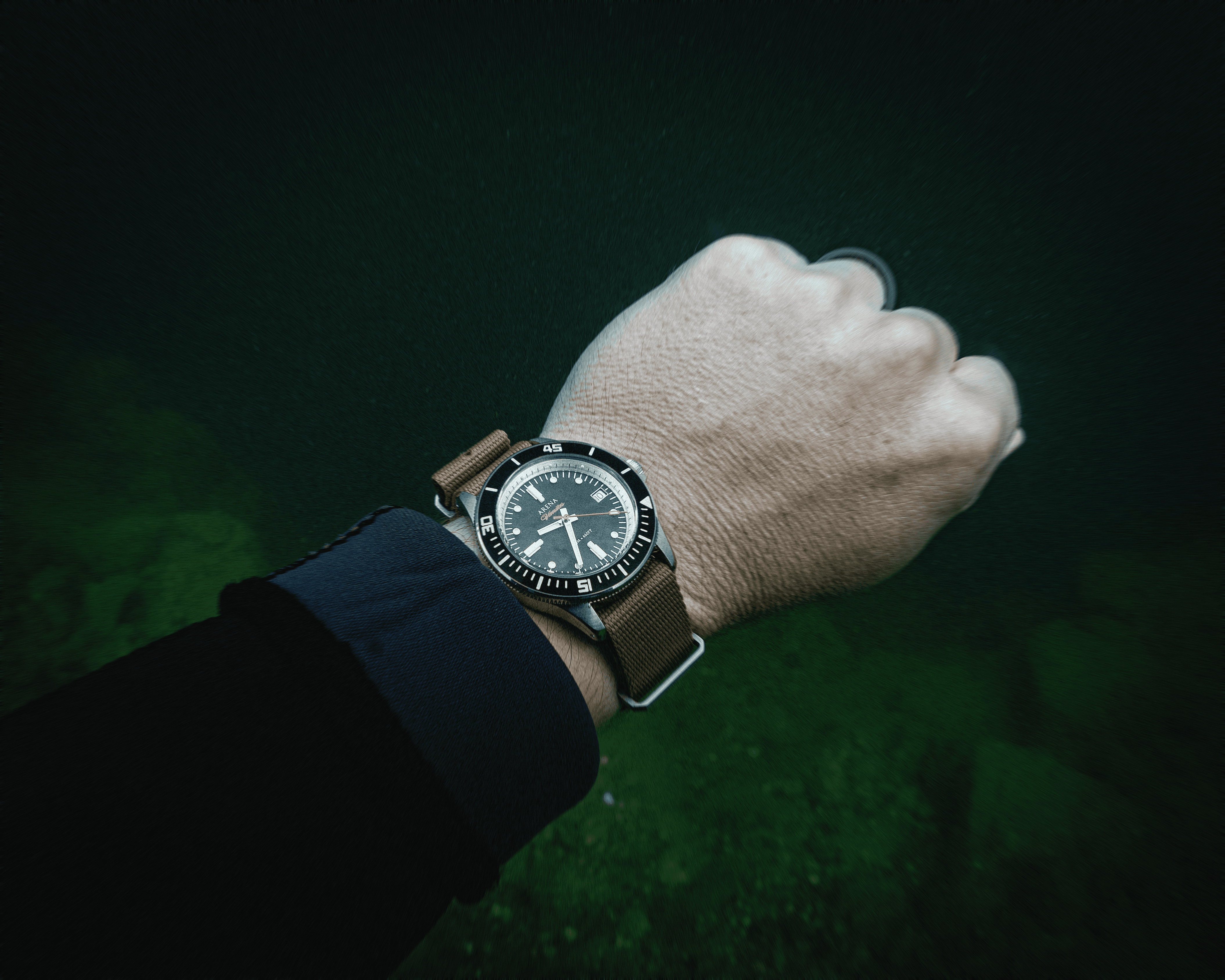
Water resistance isn’t a promise of invincibility, it’s a rating of pressure tolerance. When a watch is marked 100 meters, it doesn’t mean it’s designed for deep diving to that depth. It means the case, seals, and crystal can withstand the pressure equivalent of 100 meters in controlled conditions. In the real world, sudden temperature changes, movement, and aging gaskets all reduce that rating over time. The Vanitas was designed with true functional sealing, not marketing numbers. Every crown, caseback, and crystal interface is pressure-tested during production to ensure the watch performs under the stress of water, not just in theory.
How It Works
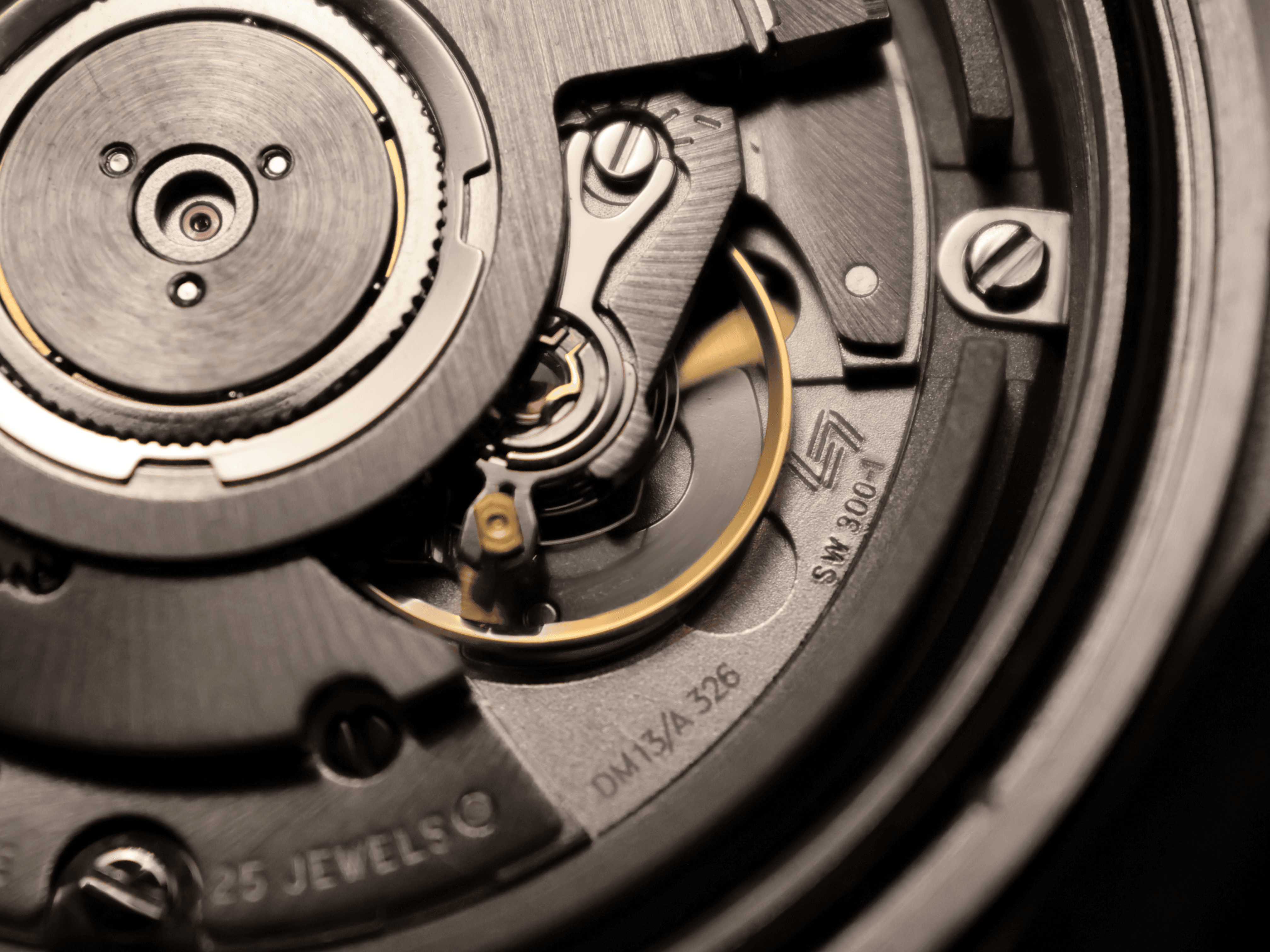
The Vanitas relies on a system of rubber gaskets around the crown, crystal, and caseback to keep water out. These seals compress when the crown is screwed down, forming a barrier against moisture and dust. The caseback threads lock into a machined seat to maintain uniform pressure across the seal, while the crystal is press-fit into its groove with tolerance precision measured in microns. These mechanical protections are why the watch remains reliable after years of exposure, but they depend on care and proper use. Leaving the crown unscrewed, over-tightening it, or exposing the watch to rapid pressure shifts (like jumping into cold water after heat) can compromise those seals.
The Enemies of Seals
Water isn’t the only concern. Sweat, saltwater, and chlorine all degrade rubber over time. Hard water and soap can leave mineral films that prevent perfect compression when the crown is closed. After swimming or saltwater exposure, rinse the watch with clean, lukewarm water and dry it thoroughly with a soft, lint free cloth. Never operate the crown or pushers when the watch is wet, water can be pulled into the case through pressure differentials faster than most people realize. And while 316L stainless steel resists corrosion, salt and sand will always find their way into exposed grooves if not cleaned regularly.
Service and Reality
Even the best seals age. To maintain full water resistance, have the gaskets inspected and pressure-tested every 18–24 months by a qualified watchmaker. A gasket replacement is inexpensive compared to the cost of moisture intrusion. If condensation ever appears under the crystal, stop using the watch immediately and have it serviced, drying it externally will not remove internal moisture, and corrosion begins within hours. The Vanitas was engineered to survive the field, but like any precision tool, it rewards proactive care.
The Arena Approach
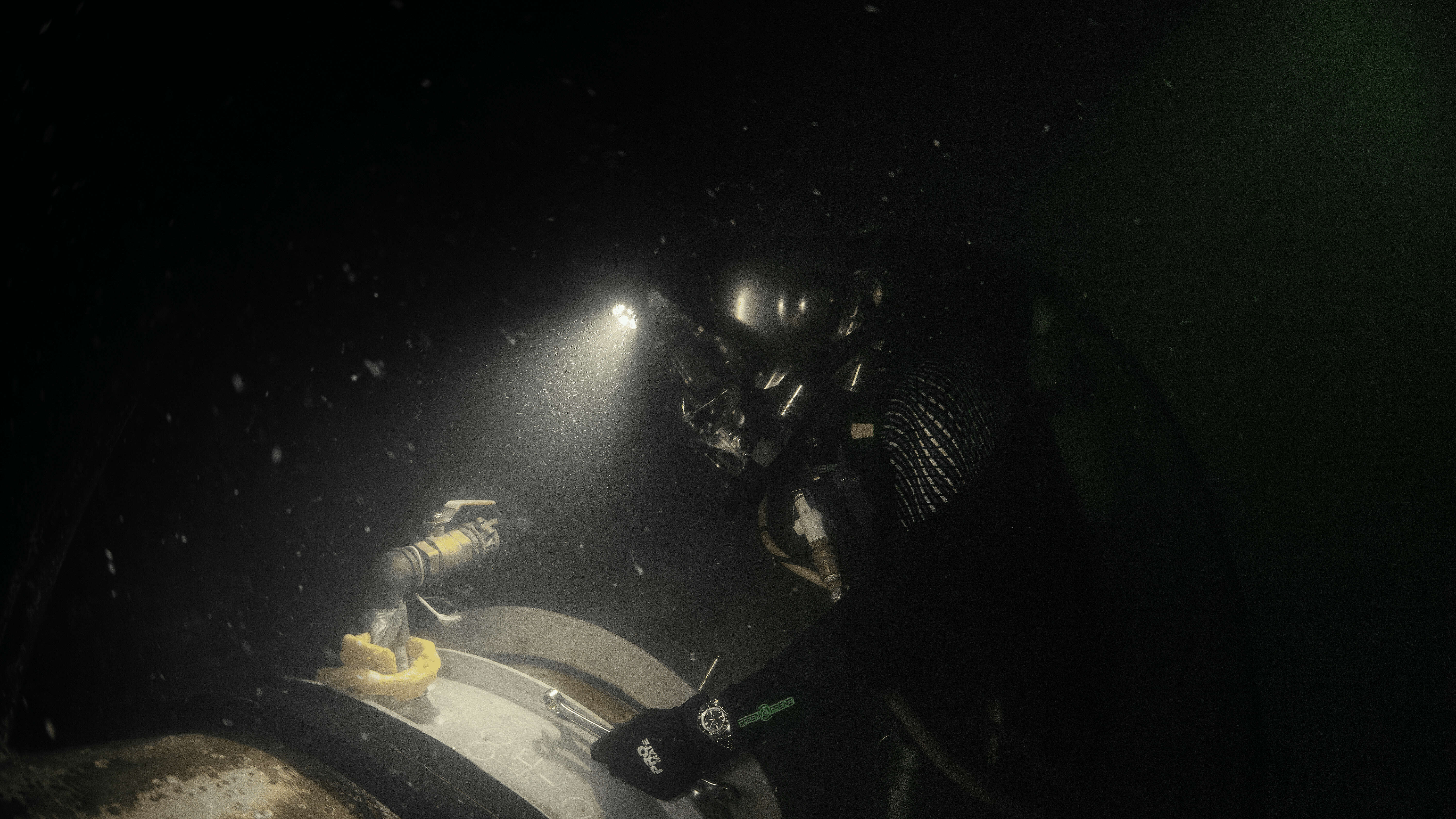
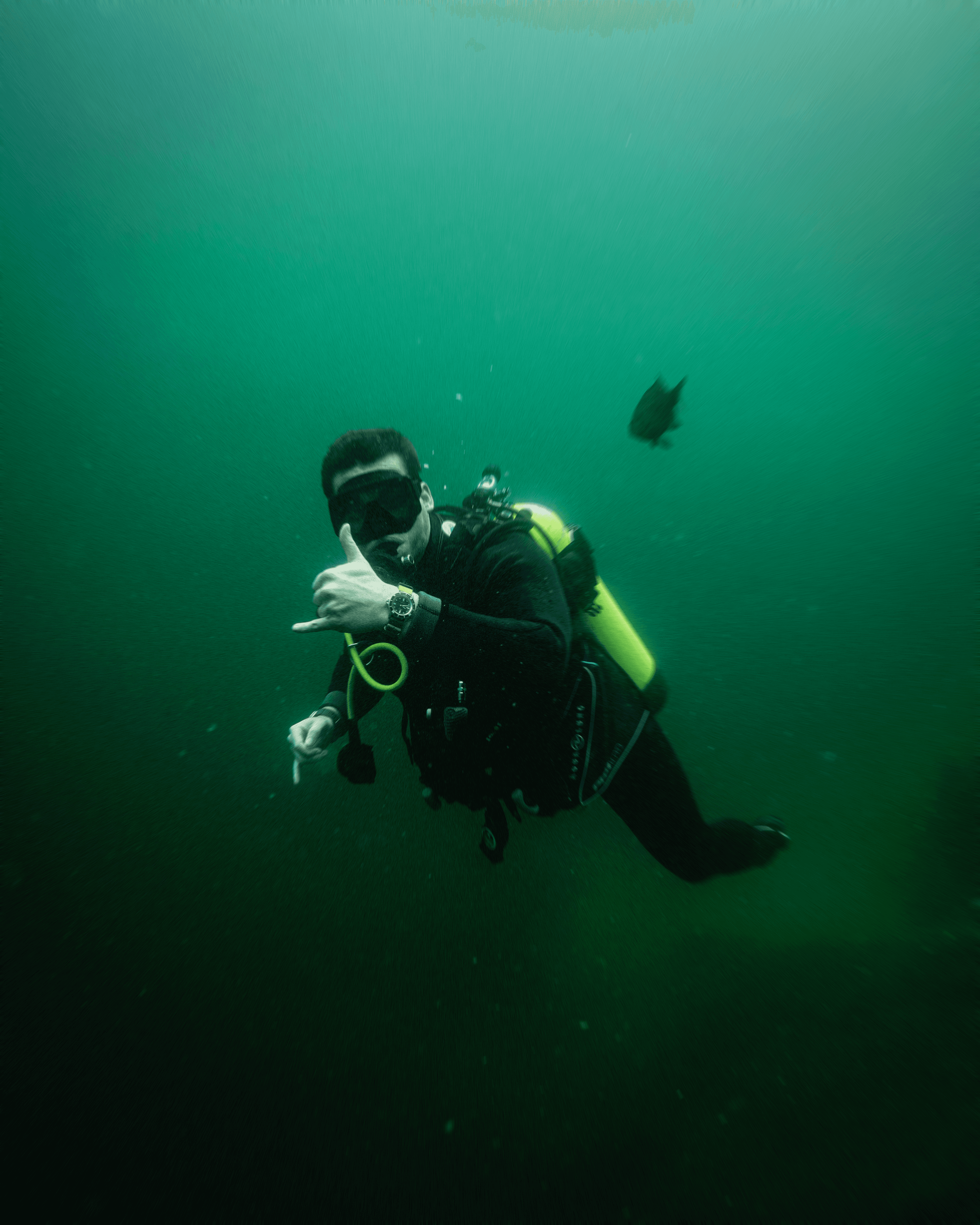
Arena doesn’t inflate ratings or chase unnecessary depth claims. We build for what professionals actually face: rain, immersion, sweat, humidity, and the unpredictability of movement. The Vanitas isn’t a diving trophy, it’s a mechanical instrument meant to work wherever its owner goes. Respecting water resistance isn’t about fear; it’s about discipline. Use the crown correctly, rinse after exposure, and maintain it like any piece of equipment that your life could depend on. True reliability isn’t advertised, it’s maintained.
What Water Resistance Really Means
Water resistance isn’t a promise of invincibility, it’s a rating of pressure tolerance. When a watch is marked 100 meters, it doesn’t mean it’s designed for deep diving to that depth. It means the case, seals, and crystal can withstand the pressure equivalent of 100 meters in controlled conditions. In the real world, sudden temperature changes, movement, and aging gaskets all reduce that rating over time. The Vanitas was designed with true functional sealing, not marketing numbers. Every crown, caseback, and crystal interface is pressure-tested during production to ensure the watch performs under the stress of water, not just in theory.
How It Works
The Vanitas relies on a system of rubber gaskets around the crown, crystal, and caseback to keep water out. These seals compress when the crown is screwed down, forming a barrier against moisture and dust. The caseback threads lock into a machined seat to maintain uniform pressure across the seal, while the crystal is press-fit into its groove with tolerance precision measured in microns. These mechanical protections are why the watch remains reliable after years of exposure, but they depend on care and proper use. Leaving the crown unscrewed, over-tightening it, or exposing the watch to rapid pressure shifts (like jumping into cold water after heat) can compromise those seals.
The Enemies of Seals
Water isn’t the only concern. Sweat, saltwater, and chlorine all degrade rubber over time. Hard water and soap can leave mineral films that prevent perfect compression when the crown is closed. After swimming or saltwater exposure, rinse the watch with clean, lukewarm water and dry it thoroughly with a soft, lint free cloth. Never operate the crown or pushers when the watch is wet, water can be pulled into the case through pressure differentials faster than most people realize. And while 316L stainless steel resists corrosion, salt and sand will always find their way into exposed grooves if not cleaned regularly.
Service and Reality
Even the best seals age. To maintain full water resistance, have the gaskets inspected and pressure-tested every 18–24 months by a qualified watchmaker. A gasket replacement is inexpensive compared to the cost of moisture intrusion. If condensation ever appears under the crystal, stop using the watch immediately and have it serviced, drying it externally will not remove internal moisture, and corrosion begins within hours. The Vanitas was engineered to survive the field, but like any precision tool, it rewards proactive care.
The Arena Approach
Arena doesn’t inflate ratings or chase unnecessary depth claims. We build for what professionals actually face: rain, immersion, sweat, humidity, and the unpredictability of movement. The Vanitas isn’t a diving trophy, it’s a mechanical instrument meant to work wherever its owner goes. Respecting water resistance isn’t about fear; it’s about discipline. Use the crown correctly, rinse after exposure, and maintain it like any piece of equipment that your life could depend on. True reliability isn’t advertised, it’s maintained.