(
(
Maintenance
Maintenance
)
)
Servicing and longevity
Servicing and longevity
If you want I guess
If you want I guess
by
Arena
3
min read
Time Is Mechanical
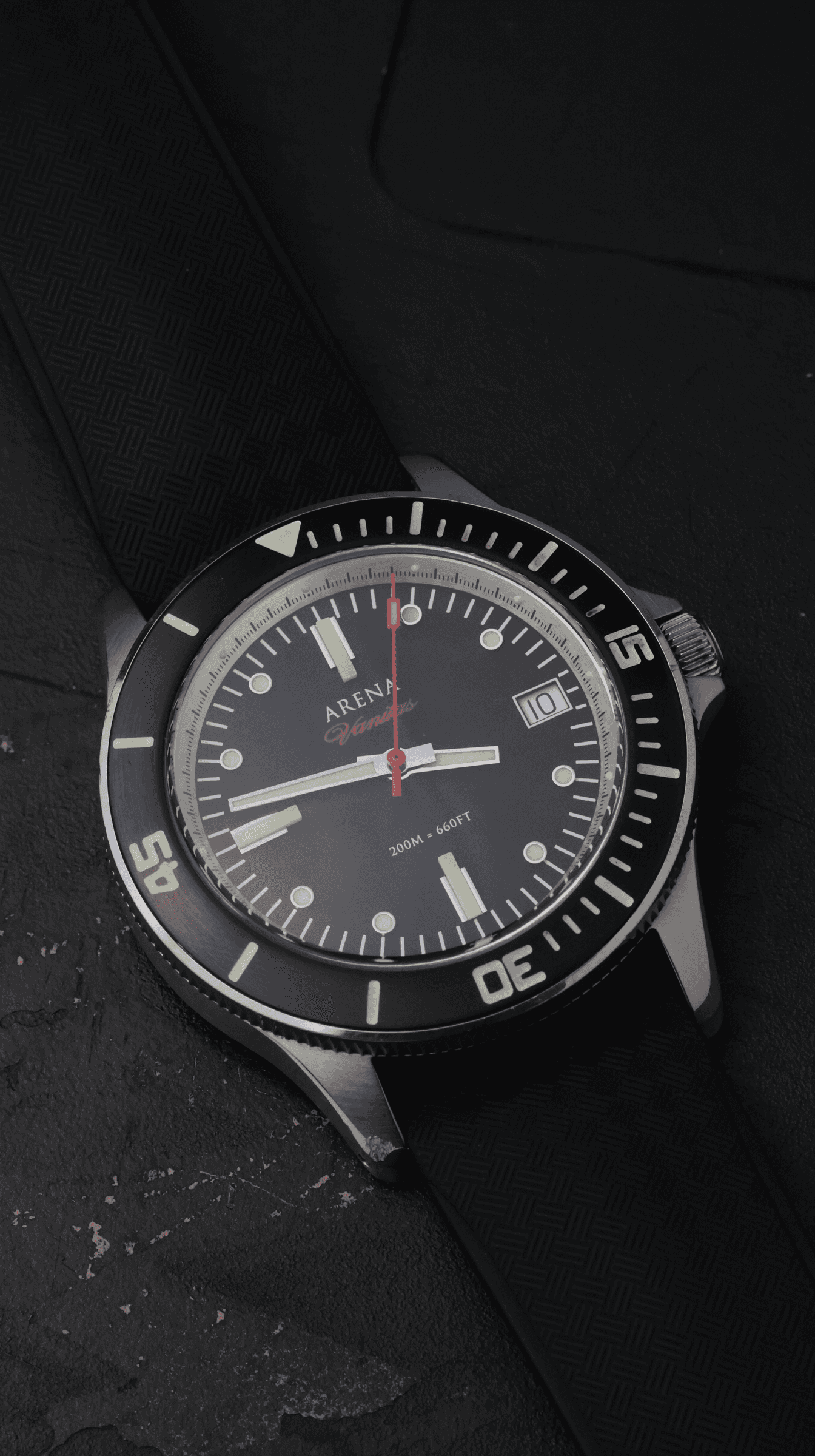
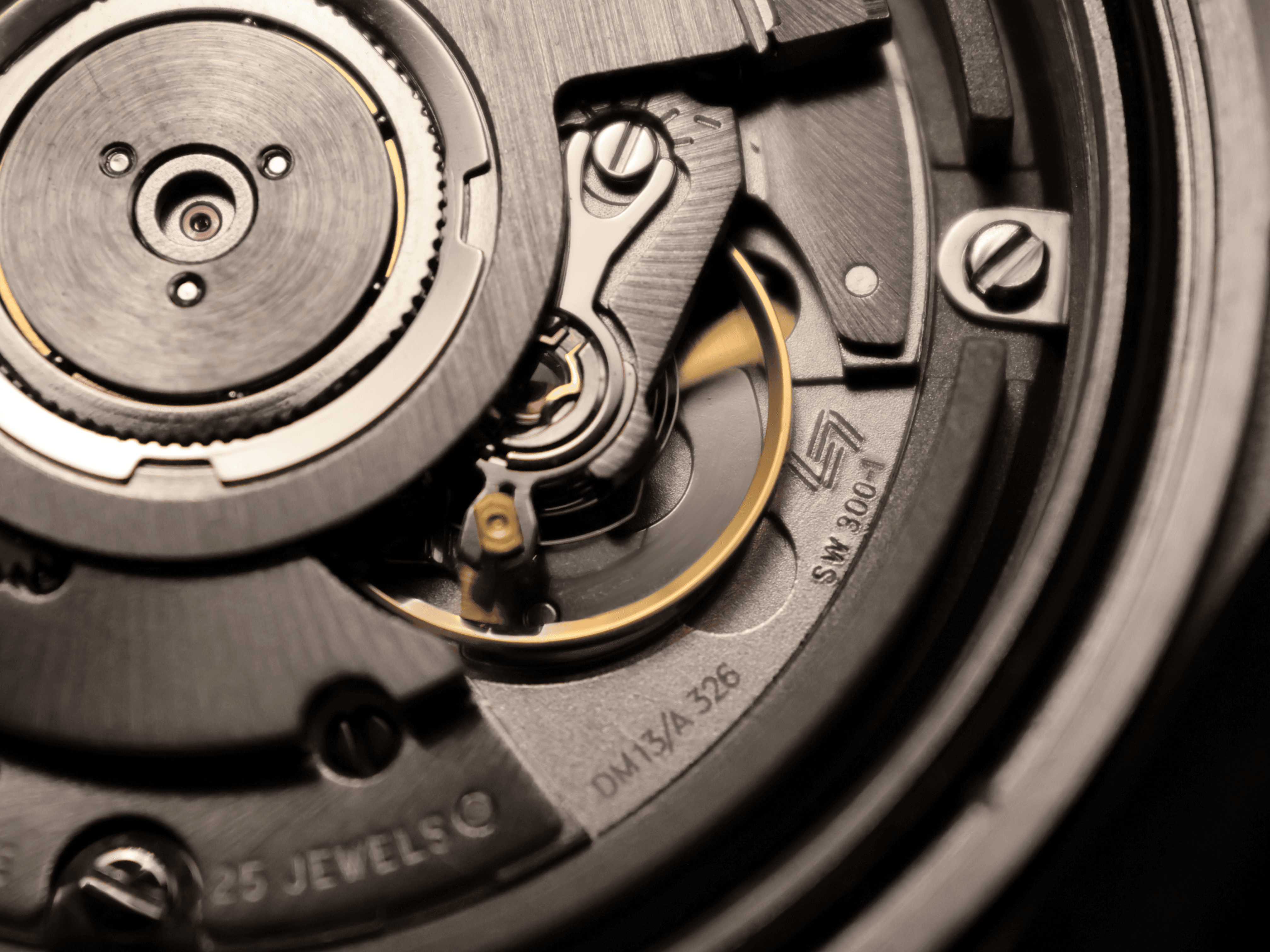
A mechanical watch isn’t powered by electricity, it’s powered by energy, friction, and precision. Inside the Vanitas’ Sellita SW300-1 movement, more than 120 individual parts work together under microscopic tolerances. Every gear tooth, pivot, and jewel operates under constant load. Over time, lubricants dry, gaskets compress, and friction begins to accumulate. Servicing is how you reset the clock, not metaphorically, but physically. It’s what separates a disposable object from a lifetime instrument.
What Happens During a Service
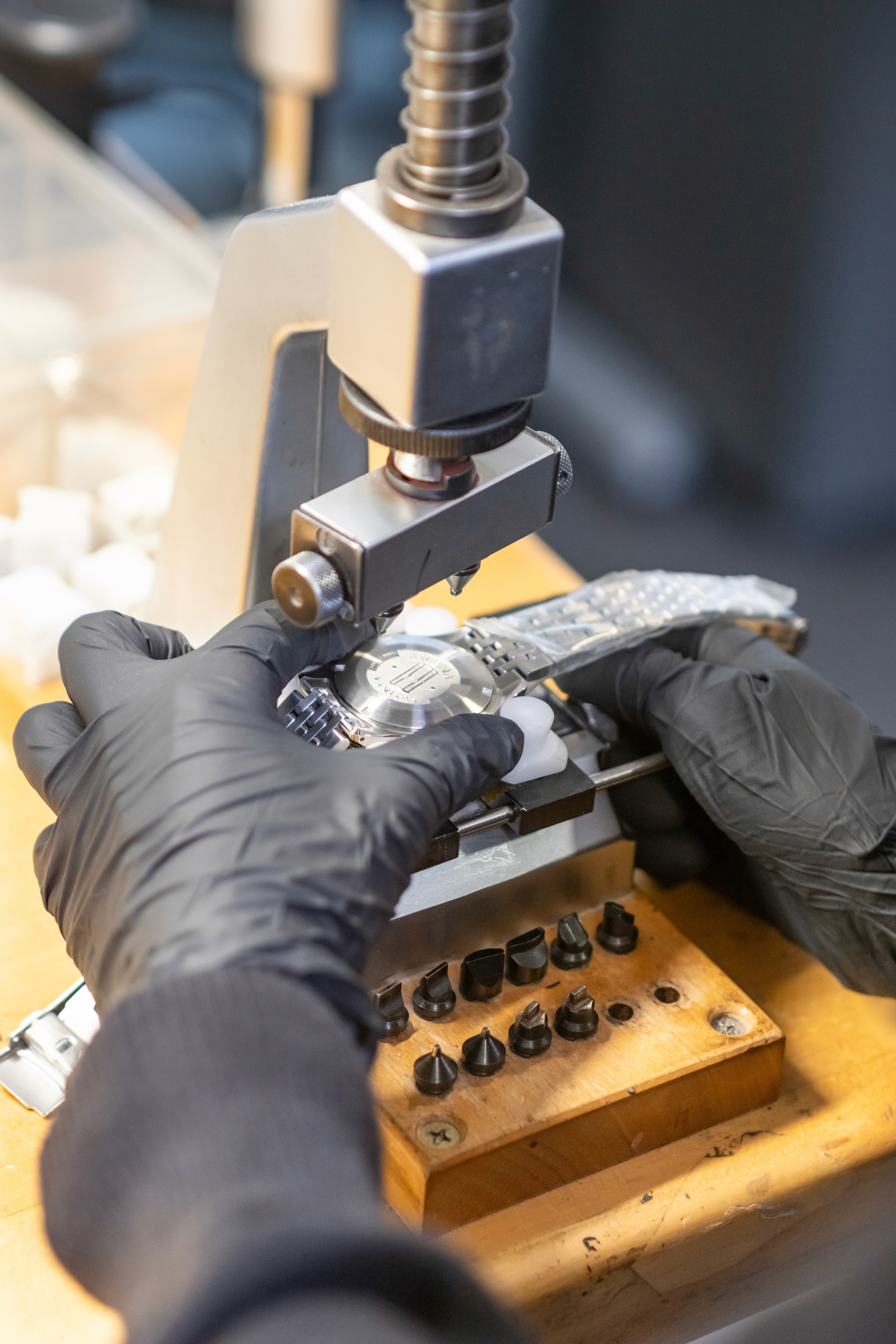
A proper service isn’t just “cleaning the movement.” A trained watchmaker will fully disassemble the caliber, inspect each component under magnification, replace worn jewels, lubricate friction points with specialized oils, and reassemble the movement to factory specification. Gaskets are replaced, the case is cleaned, and the entire watch is pressure-tested to confirm water resistance. The movement is then regulated in multiple positions to ensure accuracy within its designed tolerances. It’s a full mechanical reset, restoring performance and extending the lifespan of every internal part.
Service Intervals
For a watch like the Vanitas, a full mechanical service every 5–7 years is ideal, depending on usage. Heavy exposure to heat, moisture, or shock may shorten that interval, while a well-protected daily wearer may go longer. What matters most is not the schedule itself, but consistency. Just as you wouldn’t neglect maintenance on a firearm, vehicle, or diving regulator, a mechanical watch depends on care to maintain precision. Ignoring service doesn’t make the watch stronger, it simply allows microscopic wear to become permanent.
The Cost of Neglect
When lubrication breaks down, friction increases exponentially. The result can be damaged pivots, worn gear teeth, or balance wheel instability, all of which reduce accuracy and longevity. Moisture that slips past an aged gasket can oxidize components within hours. These aren’t flaws; they’re physics. A watch that’s never serviced may still tick, but it won’t keep time. Longevity isn’t about how long something runs; it’s about how long it runs right.
The Arena Standard
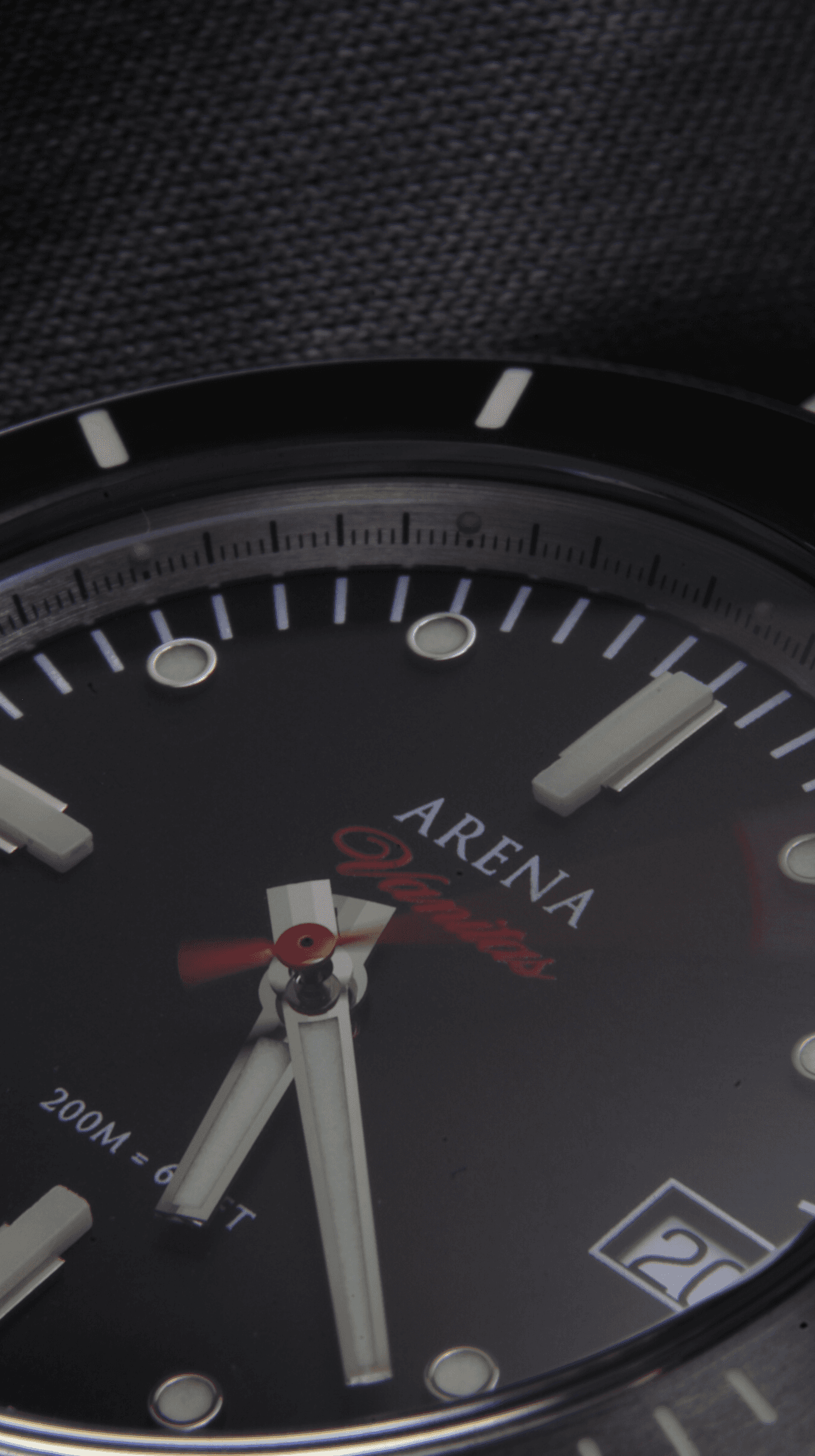
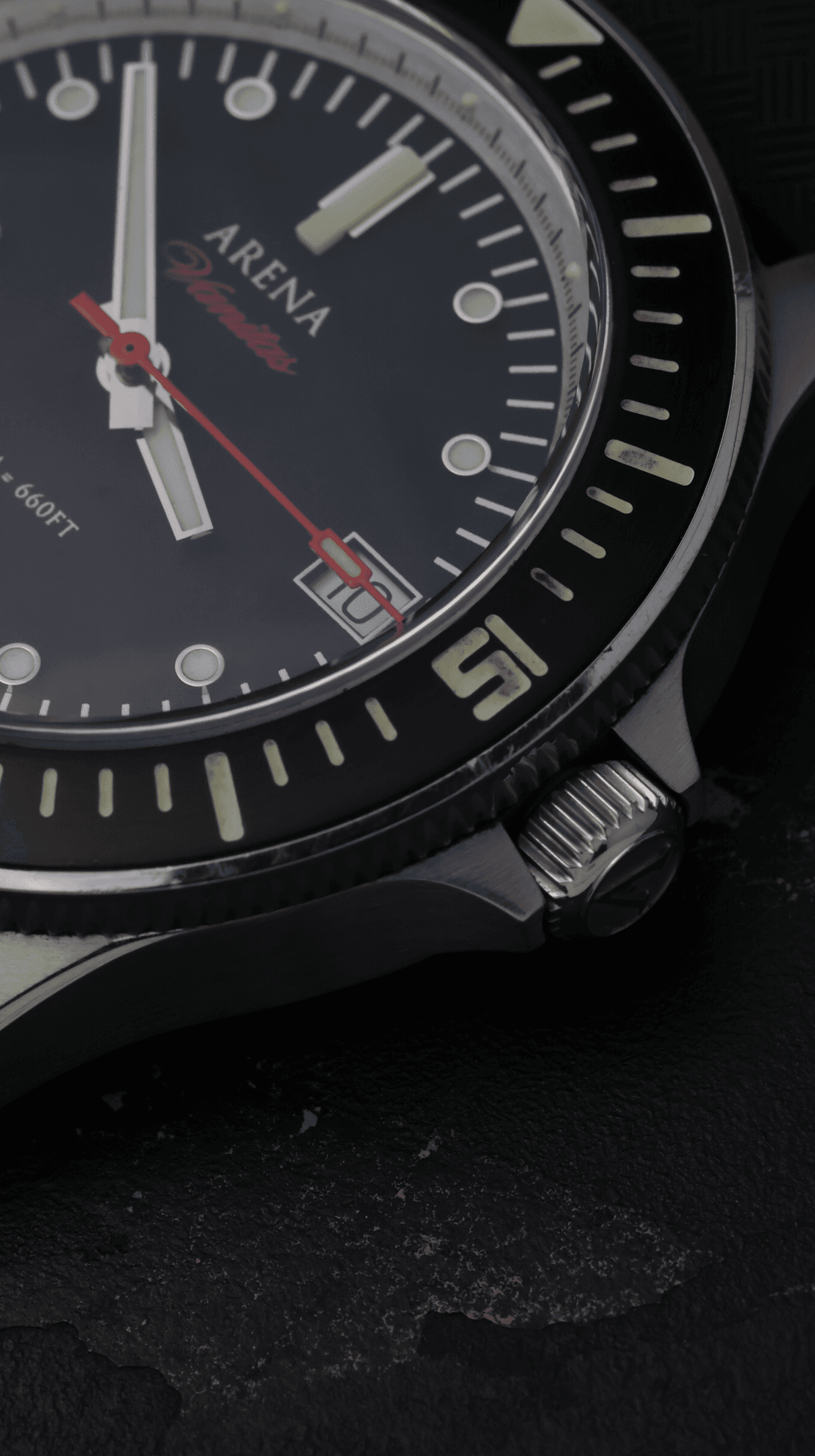
Arena builds watches to be maintained, not replaced. The Vanitas uses a proven Swiss movement precisely because parts, oils, and expertise will always be available, anywhere in the world, for decades to come. Unlike sealed electronics or proprietary modules, a mechanical watch is meant to be opened, cared for, and rebuilt. That’s what gives it permanence. Servicing your Vanitas isn’t an expense; it’s participation in its lifespan. With proper care, it will outlive its first owner, and still keep perfect time for the next.
Time Is Mechanical
A mechanical watch isn’t powered by electricity, it’s powered by energy, friction, and precision. Inside the Vanitas’ Sellita SW300-1 movement, more than 120 individual parts work together under microscopic tolerances. Every gear tooth, pivot, and jewel operates under constant load. Over time, lubricants dry, gaskets compress, and friction begins to accumulate. Servicing is how you reset the clock, not metaphorically, but physically. It’s what separates a disposable object from a lifetime instrument.
What Happens During a Service
A proper service isn’t just “cleaning the movement.” A trained watchmaker will fully disassemble the caliber, inspect each component under magnification, replace worn jewels, lubricate friction points with specialized oils, and reassemble the movement to factory specification. Gaskets are replaced, the case is cleaned, and the entire watch is pressure-tested to confirm water resistance. The movement is then regulated in multiple positions to ensure accuracy within its designed tolerances. It’s a full mechanical reset, restoring performance and extending the lifespan of every internal part.
Service Intervals
For a watch like the Vanitas, a full mechanical service every 5–7 years is ideal, depending on usage. Heavy exposure to heat, moisture, or shock may shorten that interval, while a well-protected daily wearer may go longer. What matters most is not the schedule itself, but consistency. Just as you wouldn’t neglect maintenance on a firearm, vehicle, or diving regulator, a mechanical watch depends on care to maintain precision. Ignoring service doesn’t make the watch stronger, it simply allows microscopic wear to become permanent.
The Cost of Neglect
When lubrication breaks down, friction increases exponentially. The result can be damaged pivots, worn gear teeth, or balance wheel instability, all of which reduce accuracy and longevity. Moisture that slips past an aged gasket can oxidize components within hours. These aren’t flaws; they’re physics. A watch that’s never serviced may still tick, but it won’t keep time. Longevity isn’t about how long something runs; it’s about how long it runs right.
The Arena Standard
Arena builds watches to be maintained, not replaced. The Vanitas uses a proven Swiss movement precisely because parts, oils, and expertise will always be available, anywhere in the world, for decades to come. Unlike sealed electronics or proprietary modules, a mechanical watch is meant to be opened, cared for, and rebuilt. That’s what gives it permanence. Servicing your Vanitas isn’t an expense; it’s participation in its lifespan. With proper care, it will outlive its first owner, and still keep perfect time for the next.