(
(
How to
How to
)
)
Setting the time
Setting the time
How to do the thing...the thing in the instruction manual...
How to do the thing...the thing in the instruction manual...
by
Arena
3
min read
Understanding Mechanical Precision
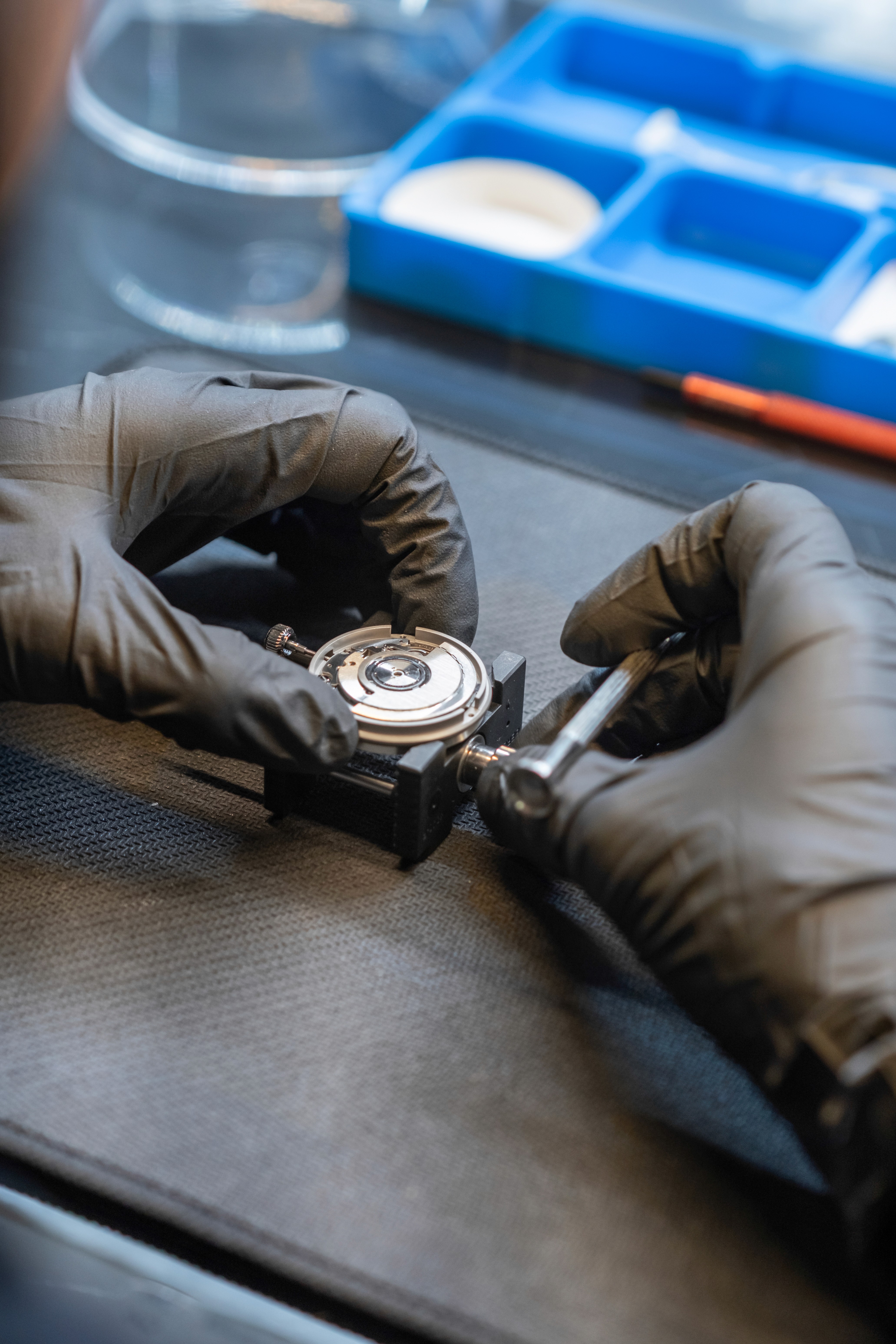
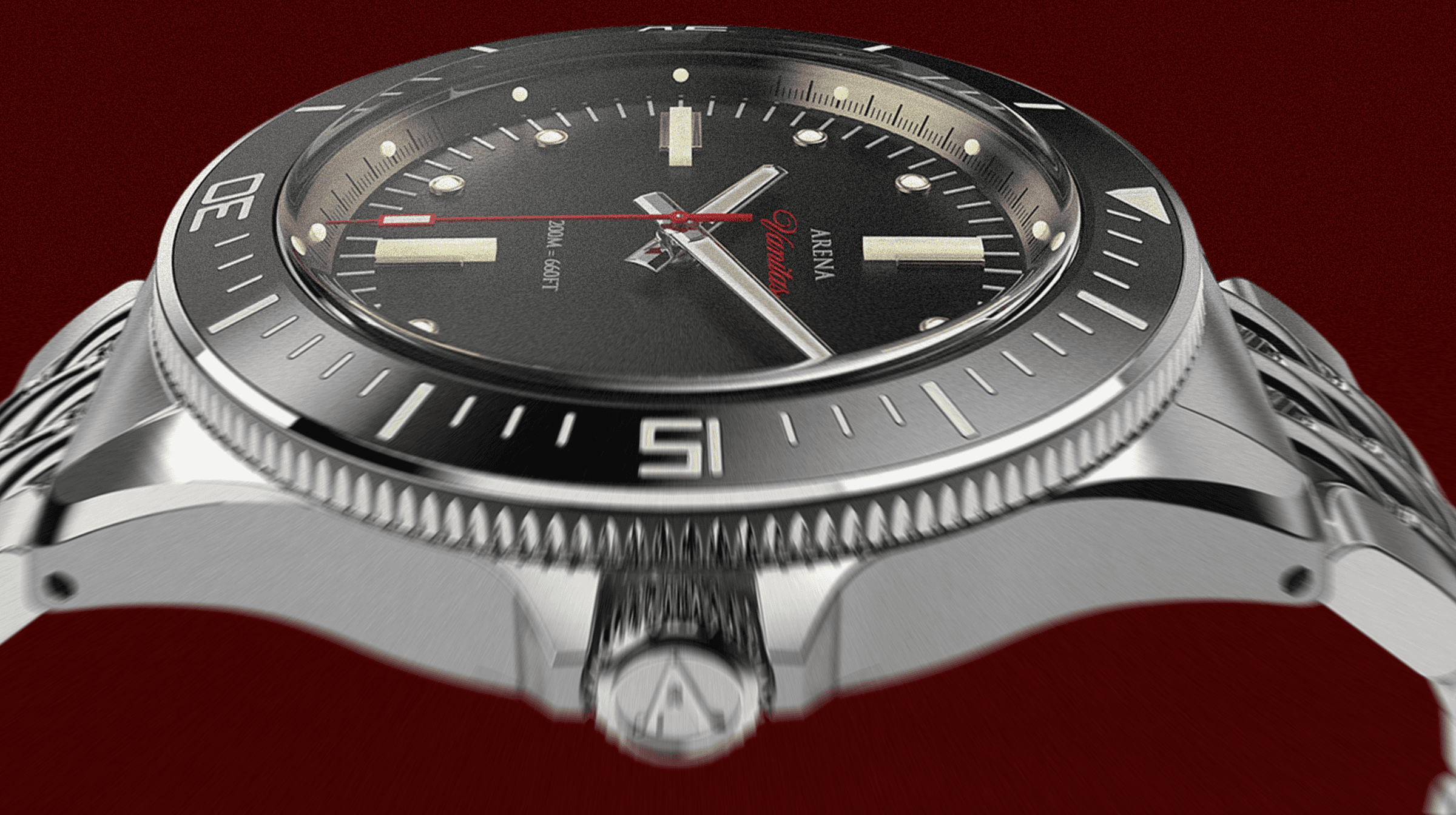
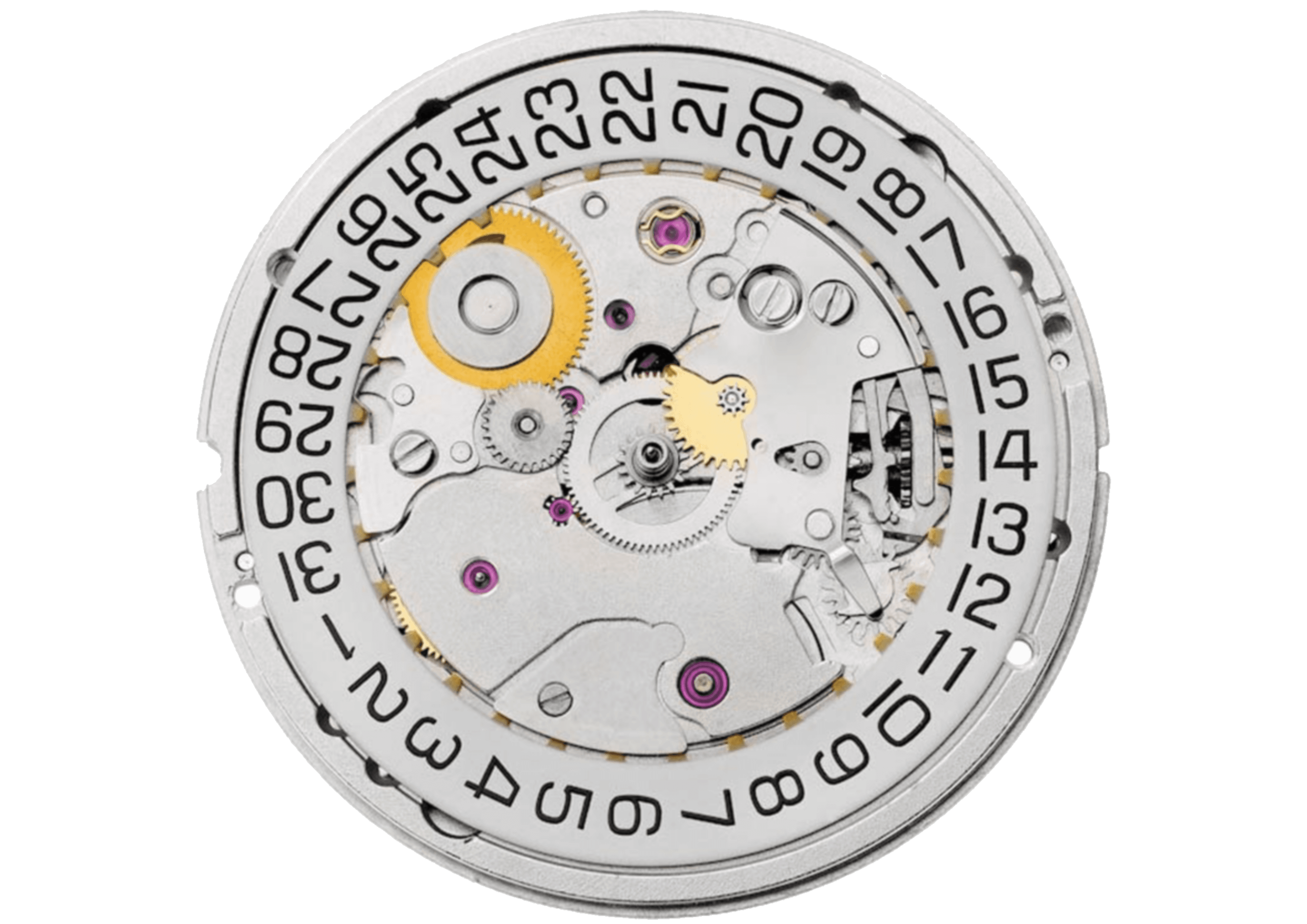
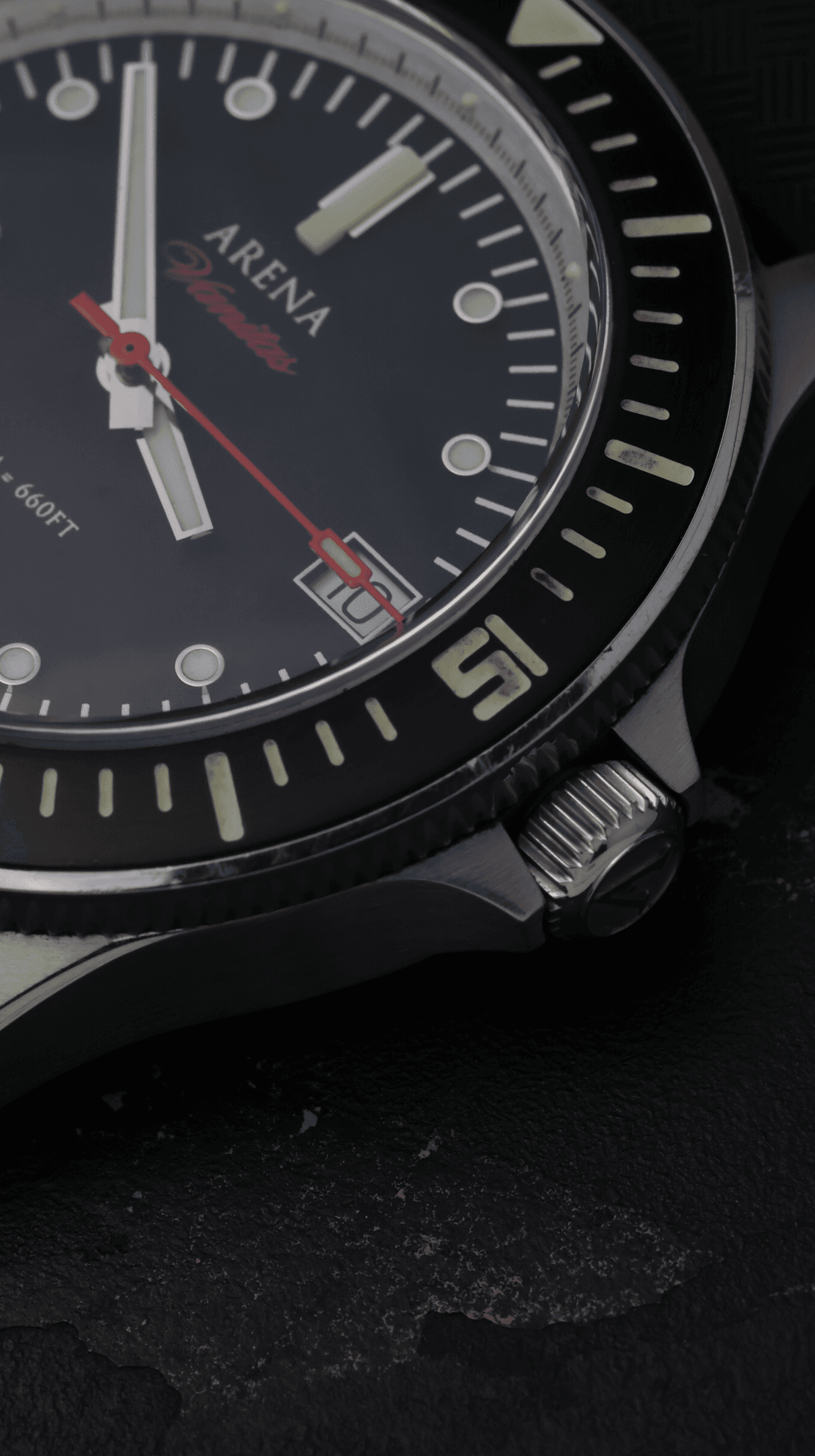
Setting the time on a mechanical watch like the Vanitas is more than a routine it’s a small ritual that connects you directly to the mechanism. Unlike quartz or digital watches that rely on electronics, the Vanitas houses the Swiss Sellita SW300-1 movement, a mechanical engine powered entirely by gears, tension, and balance. Adjusting it properly ensures the accuracy and longevity of the movement while preserving its internal harmony.
Step-by-Step Guidance
Unscrew the crown by turning it counterclockwise until it releases from its locked position. This disengages the water-seal but allows full control of the movement.
Once the crown is unscrewed, it is in position 2. If the watch isn't running, wind the crown clockwise 30-40 times.
Pull the crown gently to position 4 (last position). The seconds hand will stop this is called hacking allowing you to synchronize precisely with a reference time.
Rotate the crown clockwise or counterclockwise to set the hour and minute hands. Avoid doing this between 9:00 PM and 3:00 AM, as the date-change mechanism is engaged during that window.
Once the correct time is set, push the crown back in to restart the movement, then screw it down securely to maintain water resistance.
Why It Matters
This process is simple but meaningful. It’s a reminder that the watch on your wrist is alive because of you every adjustment, every wind keeps it moving. The Vanitas isn’t just recording time; it’s responding to your precision. Unlike battery-driven pieces, it rewards deliberate handling. Setting the time becomes an act of discipline quiet, exact, and mechanical.
Precision by Design
The SW300-1 movement is regulated for consistency, but its true accuracy depends on care and environment. Properly setting and winding ensures the balance wheel oscillates at its full amplitude, giving you steady timekeeping within a few seconds per day. This is the craft of the mechanical world: no screens, no updates just the direct relationship between human and machine.
Understanding Mechanical Precision
Setting the time on a mechanical watch like the Vanitas is more than a routine it’s a small ritual that connects you directly to the mechanism. Unlike quartz or digital watches that rely on electronics, the Vanitas houses the Swiss Sellita SW300-1 movement, a mechanical engine powered entirely by gears, tension, and balance. Adjusting it properly ensures the accuracy and longevity of the movement while preserving its internal harmony.
Step-by-Step Guidance
Unscrew the crown by turning it counterclockwise until it releases from its locked position. This disengages the water-seal but allows full control of the movement.
Once the crown is unscrewed, it is in position 2. If the watch isn't running, wind the crown clockwise 30-40 times.
Pull the crown gently to position 4 (last position). The seconds hand will stop this is called hacking allowing you to synchronize precisely with a reference time.
Rotate the crown clockwise or counterclockwise to set the hour and minute hands. Avoid doing this between 9:00 PM and 3:00 AM, as the date-change mechanism is engaged during that window.
Once the correct time is set, push the crown back in to restart the movement, then screw it down securely to maintain water resistance.
Why It Matters
This process is simple but meaningful. It’s a reminder that the watch on your wrist is alive because of you every adjustment, every wind keeps it moving. The Vanitas isn’t just recording time; it’s responding to your precision. Unlike battery-driven pieces, it rewards deliberate handling. Setting the time becomes an act of discipline quiet, exact, and mechanical.
Precision by Design
The SW300-1 movement is regulated for consistency, but its true accuracy depends on care and environment. Properly setting and winding ensures the balance wheel oscillates at its full amplitude, giving you steady timekeeping within a few seconds per day. This is the craft of the mechanical world: no screens, no updates just the direct relationship between human and machine.